Thymalfasin 69440-99-9: An Overview of This Synthetic Research Peptide

Thymalfasin, also known as thymosin alpha 1, is a synthetic peptide that has been widely studied for its role in immune system research. Composed of 28 amino acids, it is a laboratory-produced version of a naturally occurring peptide found in the thymus gland. Due to its involvement in immune signaling pathways, thymalfasin has become an important subject in immunology, molecular biology, and peptide science.

Researchers have investigated Thymalfasin 69440-99-9 for its ability to influence immune cell activity and support communication between different components of the immune system. Studies have explored its interactions with T lymphocytes, dendritic cells, and other immune-related pathways to better understand how immune responses are regulated. These investigations have contributed to broader knowledge of immune function and peptide-based biological signaling.

One of the reasons thymalfasin has attracted scientific interest is its well-defined structure and reproducible biological activity. Advances in peptide synthesis and purification techniques have enabled researchers to produce high-quality material suitable for laboratory investigations. Analytical methods such as high-performance liquid chromatography (HPLC) and mass spectrometry are commonly used to verify peptide identity and purity before experimental use.

Beyond immunology, Thymalfasin 69440-99-9 continues to be evaluated in research involving inflammation, cellular signaling, and host defense mechanisms. Scientists are exploring how this peptide interacts with various molecular pathways to better understand its biological functions. These studies provide valuable insights into the complex relationship between peptides and immune regulation while supporting ongoing advancements in biomedical research.

Proper handling and storage are essential when working with research peptides. Laboratories generally follow established protocols for storage, reconstitution, and preparation to help maintain peptide stability and ensure consistent experimental results. Maintaining appropriate environmental conditions helps preserve peptide integrity throughout the research process.

It is important to distinguish between findings from scientific research and established medical applications. Experimental results should be interpreted within the context of the specific studies in which they were obtained and should not be generalized beyond those settings. Any clinical use of Thymalfasin 69440-99-9 should occur only under the supervision of qualified healthcare professionals and in accordance with applicable regulations.

As interest in peptide science continues to grow, thymalfasin remains an important molecule for researchers studying immune biology, peptide signaling, and molecular mechanisms. Its continued investigation contributes to a deeper understanding of immune regulation and supports ongoing progress in life science and biomedical research.

Atosiban Acetate: A Selective Oxytocin Receptor Antagonist for Research and Clinical Applications

Atosiban Acetate is a synthetic peptide that functions as a selective oxytocin receptor antagonist. It is widely recognized in pharmaceutical research for its ability to inhibit uterine contractions by blocking the action of oxytocin, a hormone responsible for stimulating labor. Due to its unique pharmacological properties, Atosiban Acetate 90779-69-4 has become an important compound in both clinical investigations and reproductive medicine.

The primary mechanism of Atosiban Acetate involves competitive inhibition of oxytocin receptors in the uterine muscle. By preventing oxytocin from binding to these receptors, the compound reduces the frequency and intensity of uterine contractions. In addition, Atosiban Acetate also exhibits affinity for vasopressin V1a receptors, which may contribute to its overall therapeutic effects. This selective receptor activity has made it a valuable subject of research in the management of preterm labor.

Researchers continue to study Atosiban Acetate 90779-69-4 to better understand its pharmacological profile, receptor interactions, and potential applications beyond obstetrics. Laboratory investigations have explored its effects on smooth muscle physiology, reproductive biology, and hormone signaling pathways. These studies provide important insights into uterine function and may contribute to the development of future therapeutic strategies.

In pharmaceutical manufacturing and laboratory settings, Atosiban Acetate is produced under strict quality standards to ensure high purity and consistency. Researchers typically evaluate factors such as peptide stability, storage conditions, and analytical characterization to maintain reliable experimental results. Proper handling and storage according to laboratory guidelines help preserve the integrity of the compound throughout research activities.

Atosiban Acetate 90779-69-4 has been approved in several countries for the treatment of threatened preterm labor, its regulatory status varies by region, and its use should always follow applicable medical guidelines and local regulatory requirements. Ongoing clinical and scientific research continues to expand knowledge about its safety, efficacy, and potential future applications.

As interest in reproductive medicine and peptide therapeutics continues to grow, Atosiban Acetate remains an important molecule for both clinical and laboratory research. Its selective receptor activity, well-characterized mechanism of action, and established role in obstetric medicine make it a significant peptide in modern biomedical science.

Dihexa 1401708-83-5: A Promising Research Peptide for Neuroscience

Dihexa 1401708-83-5 is a synthetic peptide derivative of angiotensin IV that has attracted significant attention in neuroscience research. Originally developed to investigate treatments for cognitive impairment and neurodegenerative disorders, Dihexa has demonstrated promising activity in preclinical studies. Although it is not approved for medical or therapeutic use, researchers continue to study its unique mechanism of action and potential applications.

Unlike traditional compounds that primarily influence neurotransmitter levels, Dihexa is believed to promote the formation of new synaptic connections through the hepatocyte growth factor (HGF)/c-Met signaling pathway. This process, known as synaptogenesis, plays a critical role in learning, memory, and overall brain plasticity. In animal models, Dihexa 1401708-83-5 has been associated with improvements in memory and cognitive performance, making it an area of ongoing scientific interest.

Dihexa has the molecular formula C₂₇H₄₄N₄O₅ and a molecular weight of approximately 504.66 g/mol. It is commonly supplied as a high-purity research compound for laboratory investigations. Proper storage under controlled laboratory conditions is recommended to maintain its stability and integrity.

Despite encouraging findings from laboratory and animal research, Dihexa remains an investigational compound. There are currently no well-established human clinical studies demonstrating its safety or effectiveness, and it has not been approved by regulatory authorities as a medicine or dietary supplement. Scientists continue to explore its pharmacological properties while evaluating potential risks and long-term effects.

As interest in neuroregeneration and cognitive research grows, Dihexa 1401708-83-5 continues to be an important molecule for academic and pharmaceutical investigations. Its distinctive biological activity provides valuable insights into mechanisms of brain repair and synaptic development, making it a noteworthy compound in experimental neuroscience.

Petrelintide: Advancing the Future of Obesity Treatment

Obesity has become one of the most significant public health challenges worldwide, driving increased demand for innovative therapies that can support long-term weight management. Among the promising candidates currently under development is Petrelintide 2766385-23-1, a next-generation peptide therapeutic identified by CAS Number 2766385-23-1. Designed as a selective amylin receptor agonist, Petrelintide is being investigated for its potential to deliver substantial weight loss while maintaining a favorable safety and tolerability profile.

Amylin is a naturally occurring hormone released alongside insulin by the pancreas after meals. It plays an essential role in regulating appetite, slowing gastric emptying, and promoting satiety. By mimicking the effects of amylin, Petrelintide aims to help individuals feel fuller for longer periods, reducing overall calorie intake and supporting sustainable weight reduction.

One of the key features that distinguishes Petrelintide from earlier amylin-based therapies is its enhanced receptor selectivity. The molecule has been engineered to specifically target amylin receptors while minimizing interactions with other biological pathways. This targeted approach may improve therapeutic effectiveness and reduce the risk of unwanted side effects, making it an attractive option for patients and healthcare providers alike.

Preclinical and early clinical studies have generated encouraging results. Research indicates that Petrelintide 2766385-23-1 can produce meaningful reductions in body weight by influencing appetite regulation and energy balance. The compound’s pharmacokinetic profile has also been optimized to support convenient dosing schedules, which may improve patient adherence compared with therapies requiring more frequent administration.

Interest in Petrelintide has grown as the obesity treatment landscape continues to evolve. While GLP-1 receptor agonists have demonstrated significant success in weight management, researchers are exploring complementary mechanisms that could provide additional benefits. Amylin receptor agonists such as Petrelintide represent one such avenue, with the potential to be used either as standalone therapies or in combination with other metabolic treatments.

Beyond weight management, scientists are investigating whether Petrelintide 2766385-23-1 may offer broader metabolic benefits, including improvements in glucose control and cardiometabolic health. Although further clinical studies are needed to fully establish its efficacy and safety, the early data are promising. As research advances, Petrelintide could emerge as an important addition to the next generation of obesity therapies, reflecting the growing role of peptide-based medicines in addressing complex metabolic diseases and improving patient outcomes worldwide.

Follow our Facebook and Twitter for more information about our product.

Icotrokinra: A New Frontier in the Treatment of Immune-Mediated Diseases

The treatment of chronic inflammatory and autoimmune diseases has advanced significantly over the past two decades, driven by the development of targeted biologic therapies. Among the latest innovations in this field is Icotrokinra 2763602-16-8, an investigational therapy designed to address immune-mediated conditions by selectively targeting key inflammatory pathways. As research continues to progress, Icotrokinra is emerging as a promising candidate for patients seeking effective and convenient treatment options.

Autoimmune diseases such as psoriasis, inflammatory bowel disease, and other chronic inflammatory disorders occur when the immune system mistakenly attacks healthy tissues. These conditions are often driven by specific cytokines—signaling proteins that regulate immune responses. One of the most important cytokines involved in inflammation is interleukin-23 (IL-23), which plays a central role in activating immune cells and sustaining chronic inflammatory reactions.

Icotrokinra 2763602-16-8 has been developed to inhibit the IL-23 pathway, helping to reduce excessive immune activity and control inflammation. By selectively targeting this mechanism, the therapy aims to provide meaningful symptom relief while minimizing broader immune suppression. This precision-focused approach reflects a growing trend in modern medicine toward therapies that address the root causes of disease rather than simply managing symptoms.

A notable aspect of Icotrokinra is its potential to offer the benefits of advanced targeted therapy in a more convenient treatment format. Researchers are exploring its use across a range of immune-mediated diseases, with particular interest in conditions where IL-23 has been shown to play a critical role. Early clinical studies have demonstrated encouraging efficacy, showing improvements in disease activity and patient outcomes.

The growing interest in Icotrokinra also highlights the continued evolution of immunology research. Scientists now have a deeper understanding of the molecular pathways involved in chronic inflammation, enabling the development of highly specific treatments that can improve both effectiveness and safety. This progress has transformed the therapeutic landscape for millions of patients worldwide.

While additional clinical trials are needed to confirm long-term efficacy and safety, the results reported so far have generated considerable optimism within the medical community. If future studies continue to demonstrate positive outcomes, Icotrokinra 2763602-16-8 could become an important addition to the treatment arsenal for autoimmune and inflammatory diseases.

As healthcare moves toward increasingly personalized approaches, therapies like Icotrokinra represent the next generation of precision medicine, offering new hope for patients living with chronic immune-related conditions.

Melanotan: Understanding Its Uses, Benefits, and Risks

Melanotan is a synthetic peptide developed to mimic the action of alpha-melanocyte-stimulating hormone (α-MSH), a natural hormone that regulates skin pigmentation. It has gained popularity for its ability to promote tanning without prolonged sun exposure, making it appealing to individuals seeking a darker skin tone with reduced risk of UV damage. However, its use remains controversial and is not approved for cosmetic purposes in many countries.

There are two primary forms: Melanotan I and Melanotan II. Melanotan I, also known as afamelanotide, has been studied for medical conditions such as photosensitivity disorders. Melanotan II, on the other hand, is more commonly associated with off-label use for tanning and has additional effects, including increased libido and appetite suppression.

Melanotan 121062-08-6 works by stimulating melanocytes, the cells responsible for producing melanin in the skin. Increased melanin levels can lead to a darker complexion and may provide some protection against UV radiation. While this might sound beneficial, it is important to understand that Melanotan does not eliminate the risks associated with sun exposure or tanning beds.

Despite its appeal, Melanotan carries potential risks and side effects. Commonly reported issues include nausea, facial flushing, increased blood pressure, and darkening of existing moles or freckles. There are also concerns about long-term safety, particularly regarding skin health and the potential for irregular pigmentation or other complications.

Melanotan 121062-08-6 is typically administered via injections or nasal sprays and is often obtained from unregulated sources. This raises additional safety concerns, including dosage inconsistency and contamination. Because it is not widely approved by regulatory authorities for cosmetic use, medical supervision is often lacking, increasing the potential for misuse.

In conclusion, while Melanotan 121062-08-6 may offer a convenient way to achieve a tanned appearance, it comes with significant uncertainties and potential health risks. Anyone considering its use should exercise caution, seek professional medical advice, and weigh the potential benefits against the known and unknown risks. Safe, approved alternatives for skin care and sun protection remain the most reliable choice for long-term health.

Tirzepatide 2023788-19-2: Best in Metabolic and Diabetes Treatment

The pharmaceutical sector has witnessed tremendous innovation in the creation of cutting-edge treatments for obesity and diabetes in recent years. Tirzepatide 2023788-19-2, a next-generation peptide medication that is revolutionising the treatment of metabolic illnesses, is one substance that has attracted significant attention on a global scale. Tirzepatide has emerged as one of the most talked-about pharmaceutical compounds in contemporary medicine due to the growing need for efficient weight management and blood sugar control treatments.

This blog examines what makes Tirzepatide 2023788-19-2 special, how it functions, its increasing significance in the medical field, and the reasons it has grown to be a valuable substance in pharmaceutical manufacturing and research.

Tirzepatide 2023788-19-2

A synthetic peptide-based medication called tirzepatide 2023788-19-2 is mostly used to treat type 2 diabetes, but it is also well known for having a major impact on weight loss. This molecule is uniquely classified in pharmaceutical supply chains and research documentation using the CAS (Chemical Abstracts Service) registry identification, 2023788-19-2.

Unlike conventional single-pathway diabetic treatments, tirzepatide targets two important metabolic hormone receptors concurrently, making it a revolutionary medication.

How the Body Uses Tirzepatide

Tirzepatide 2023788-19-2’s dual-action mechanism is what makes it effective. It acts as an agonist for both the GLP-1 (glucagon-like peptide-1) and GIP (glucose-dependent insulinotropic polypeptide) receptors.

The body benefits from this dual activity in several ways:

  • Enhances the release of insulin following meals
  • Decreases the release of glucagon, which lowers the liver’s synthesis of glucose.
  • Reduces appetite by slowing the emptying of the stomach.
  • Promotes weight loss by enhancing metabolic control
  • Tirzepatide provides better clinical results than many other GLP-1-based treatments because of this combination impact.

Why Treating Diabetes with Tirzepatide 2023788-19-2 Is Revolutionary

There is an urgent need for medicines that go beyond basic blood sugar control due to the development of type 2 diabetes worldwide. Obesity, cardiovascular risks, and insulin resistance are common problems for many people.

Tirzepatide 2023788-19-2 is regarded as a significant innovation since it offers:

Improved decrease of HbA1c

Enhanced sensitivity to insulin

Long-term gains in metabolism

Substantial drop in body weight This makes it a desirable choice for improving long-term metabolic health as well as managing diabetes.

All You Need to Know About Retatrutide 2381089-83-2

In the realm of contemporary medicine and pharmaceutical innovation, novel substances are continuously investigated for their possible application in the treatment of diabetes, obesity, and other metabolic disorders. Retatrutide 2381089-83-2 is one such substance that has recently drawn interest.

Because of its promising research background and potential future significance in the development of metabolic treatments, this molecule is being studied more and more in scientific circles.

Retatrutide 2381089-83-2

A research-based substance called retatrutide 2381089-83-2 has been investigated for possible impacts on metabolic control. As researchers continue to investigate how it interacts with the body’s natural hormonal pathways, it is frequently discussed in studies on blood sugar regulation and weight management.

The chemical is an important topic in laboratory and pharmaceutical development because it is now more well-known for its research uses than for its broad commercial availability.

What Makes Retatrutide 2381089-83-2 Crucial?

Retatrutide 2381089-83-2 is becoming more and more popular due to the growing need for better weight-loss and metabolic health solutions worldwide. Many people suffer from lifestyle-related ailments, obesity, and insulin resistance, which has prompted pharmaceutical research to investigate cutting-edge treatments.

Retatrutide has being researched because it may provide better results than older metabolic chemicals, particularly in terms of promoting weight loss and enhancing metabolic function in general.

Research and Development Applications

Retatrutide 2381089-83-2 is currently of most interest due to its function in:

  • Research on metabolic disorders
  • Development of weight-loss medications
  • Studies on insulin sensitivity and diabetes
  • Analysis of hormone regulation

Scientists and pharmaceutical firms are always looking into how these substances can influence how diabetes and obesity are treated in the future.

Retatrutide 2381089-83-2 is a molecule that illustrates the rapid advancement of medical science. The need for cutting-edge treatment alternatives is greater than ever due to the global rise in obesity and metabolic illnesses.

Retatrutide 2381089-83-2 continues to stand out as a useful molecule in scientific research and pharmaceutical development, even though its entire potential influence is still being investigated.

Enhanced Medicine Production with Active Pharmaceutical Ingredient

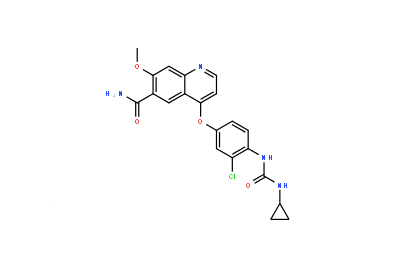
Lenvatinib Intermediate

Chemicals have a significant part in altering our lifestyles and enhancing our health, having a daily impact on millions of people’s lives. The creation of active pharmaceutical ingredients by API manufacturing facilities was sparked and accelerated by the desire to enhance people’s health. Doctors and scientists from all over the world have invested a lot of time and energy in research and development in this area. By using active pharmaceutical components like Lenvatinib Intermediate in innovative ways and correctly, many surprising results have been revealed that may be found in well-known medical publications or websites.

Branded pharmaceutical intermediates are used by several reputable pharmaceutical businesses and are now a crucial component in production. Many of these businesses base their primary manufacturing lines on food additives and medication intermediates. In the past, API Pharma facilities were concentrated in western nations, from which they exported medications and other related goods to other nations. The current tendency is for emerging nations to actively participate in this process. These nations are now thought of as new locations for the production of API.

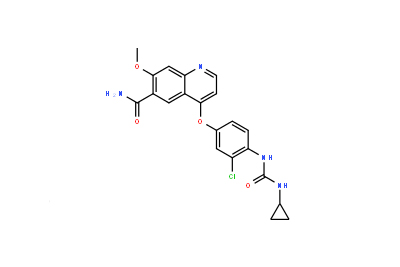
Lenvatinib

Active pharmaceutical compounds, whose use has nearly doubled in recent years, are a crucial component in the creation of cosmetics and pharmaceuticals. You can Buy Lenvatinib Intermediate online.

GMP is a prerequisite in the majority of pharmaceutical components and intermediates that are utilized to create the compounds. Since numerous biotech businesses now produce and sell active pharmaceutical ingredients online, finding these API Pharma has never been easier. These websites provide access to further information about these biotech businesses.

Due to the increase in worldwide attention toward environmentally friendly products, pharmaceutical enterprises with eco-conscious strategies have a higher opportunity of developing a global market. Active pharmaceutical ingredients that are created and of high quality will improve the medication production process. A reputable and good API Pharma firm adheres to all Western regulatory laws and regulations completely.

They can give comprehensive information on their technological know-how, production scope, quality control systems, business capacity, and manufacturing processes. They can supply active pharmaceutical ingredients like Lenvatinib Intermediate to numerous international businesses, R&D institutions, pharmaceutical firms, and other organizations. Expert scientific staff with the necessary training and expertise in the relevant sector should be present in an API production firm.

Follow us on Twitter

Brigatinib: A Breakthrough Treatment Option for Non-Small Cell Lung Cancer

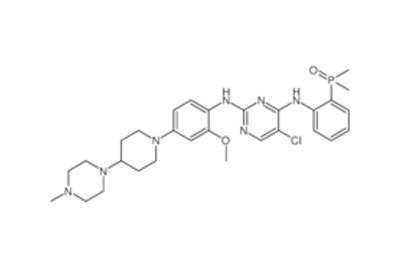
Brigatinib Intermediate

Brigatinib is a type of drug that is used to treat patients with non-small cell lung cancer (NSCLC). This drug belongs to a class of drugs called tyrosine kinase inhibitors, which work by blocking the activity of certain enzymes that are involved in the growth and spread of cancer cells. Brigatinib Intermediate has shown promising results in clinical trials and is considered a second-line treatment option for patients who have failed first-line therapy with crizotinib.

NSCLC is the most common type of lung cancer and accounts for approximately 85% of all lung cancer cases. The disease is typically diagnosed in advanced stages and can be difficult to treat, making the development of effective treatment options a priority for the medical community.

Brigatinib China works by targeting the ALK gene, which is often found to be mutated in patients with NSCLC. This mutation leads to the production of an abnormal protein that promotes the growth and spread of cancer cells. By blocking the activity of this protein, brigatinib can slow the growth and spread of cancer cells and improve patient outcomes.

One of the key benefits of brigatinib is its ability to penetrate the blood-brain barrier, making it an effective treatment option for patients with brain metastases. This is particularly important because brain metastases are a common complication of NSCLC and can be difficult to treat with other medications.

The most common side effects associated with brigatinib include fatigue, nausea, diarrhea, and headache. More serious side effects, such as low white blood cell count and increased risk of infections, have also been reported in some patients. However, these side effects are generally manageable with appropriate medical attention and close monitoring by a healthcare provider.

In conclusion, Brigatinib Intermediate is an important treatment option for patients with non-small cell lung cancer who have failed first-line therapy with crizotinib. The drug has shown promising results in clinical trials and has the potential to improve patient outcomes by targeting the ALK gene and blocking the activity of the abnormal protein produced by this gene. Although there are some potential side effects associated with brigatinib, these are generally manageable with close monitoring and appropriate medical attention.

Follow us on Twitter