Thymalfasin 69440-99-9: An Overview of This Synthetic Research Peptide

Thymalfasin, also known as thymosin alpha 1, is a synthetic peptide that has been widely studied for its role in immune system research. Composed of 28 amino acids, it is a laboratory-produced version of a naturally occurring peptide found in the thymus gland. Due to its involvement in immune signaling pathways, thymalfasin has become an important subject in immunology, molecular biology, and peptide science.

Researchers have investigated Thymalfasin 69440-99-9 for its ability to influence immune cell activity and support communication between different components of the immune system. Studies have explored its interactions with T lymphocytes, dendritic cells, and other immune-related pathways to better understand how immune responses are regulated. These investigations have contributed to broader knowledge of immune function and peptide-based biological signaling.

One of the reasons thymalfasin has attracted scientific interest is its well-defined structure and reproducible biological activity. Advances in peptide synthesis and purification techniques have enabled researchers to produce high-quality material suitable for laboratory investigations. Analytical methods such as high-performance liquid chromatography (HPLC) and mass spectrometry are commonly used to verify peptide identity and purity before experimental use.

Beyond immunology, Thymalfasin 69440-99-9 continues to be evaluated in research involving inflammation, cellular signaling, and host defense mechanisms. Scientists are exploring how this peptide interacts with various molecular pathways to better understand its biological functions. These studies provide valuable insights into the complex relationship between peptides and immune regulation while supporting ongoing advancements in biomedical research.

Proper handling and storage are essential when working with research peptides. Laboratories generally follow established protocols for storage, reconstitution, and preparation to help maintain peptide stability and ensure consistent experimental results. Maintaining appropriate environmental conditions helps preserve peptide integrity throughout the research process.

It is important to distinguish between findings from scientific research and established medical applications. Experimental results should be interpreted within the context of the specific studies in which they were obtained and should not be generalized beyond those settings. Any clinical use of Thymalfasin 69440-99-9 should occur only under the supervision of qualified healthcare professionals and in accordance with applicable regulations.

As interest in peptide science continues to grow, thymalfasin remains an important molecule for researchers studying immune biology, peptide signaling, and molecular mechanisms. Its continued investigation contributes to a deeper understanding of immune regulation and supports ongoing progress in life science and biomedical research.

Atosiban Acetate: A Selective Oxytocin Receptor Antagonist for Research and Clinical Applications

Atosiban Acetate is a synthetic peptide that functions as a selective oxytocin receptor antagonist. It is widely recognized in pharmaceutical research for its ability to inhibit uterine contractions by blocking the action of oxytocin, a hormone responsible for stimulating labor. Due to its unique pharmacological properties, Atosiban Acetate 90779-69-4 has become an important compound in both clinical investigations and reproductive medicine.

The primary mechanism of Atosiban Acetate involves competitive inhibition of oxytocin receptors in the uterine muscle. By preventing oxytocin from binding to these receptors, the compound reduces the frequency and intensity of uterine contractions. In addition, Atosiban Acetate also exhibits affinity for vasopressin V1a receptors, which may contribute to its overall therapeutic effects. This selective receptor activity has made it a valuable subject of research in the management of preterm labor.

Researchers continue to study Atosiban Acetate 90779-69-4 to better understand its pharmacological profile, receptor interactions, and potential applications beyond obstetrics. Laboratory investigations have explored its effects on smooth muscle physiology, reproductive biology, and hormone signaling pathways. These studies provide important insights into uterine function and may contribute to the development of future therapeutic strategies.

In pharmaceutical manufacturing and laboratory settings, Atosiban Acetate is produced under strict quality standards to ensure high purity and consistency. Researchers typically evaluate factors such as peptide stability, storage conditions, and analytical characterization to maintain reliable experimental results. Proper handling and storage according to laboratory guidelines help preserve the integrity of the compound throughout research activities.

Atosiban Acetate 90779-69-4 has been approved in several countries for the treatment of threatened preterm labor, its regulatory status varies by region, and its use should always follow applicable medical guidelines and local regulatory requirements. Ongoing clinical and scientific research continues to expand knowledge about its safety, efficacy, and potential future applications.

As interest in reproductive medicine and peptide therapeutics continues to grow, Atosiban Acetate remains an important molecule for both clinical and laboratory research. Its selective receptor activity, well-characterized mechanism of action, and established role in obstetric medicine make it a significant peptide in modern biomedical science.

Dihexa 1401708-83-5: A Promising Research Peptide for Neuroscience

Dihexa 1401708-83-5 is a synthetic peptide derivative of angiotensin IV that has attracted significant attention in neuroscience research. Originally developed to investigate treatments for cognitive impairment and neurodegenerative disorders, Dihexa has demonstrated promising activity in preclinical studies. Although it is not approved for medical or therapeutic use, researchers continue to study its unique mechanism of action and potential applications.

Unlike traditional compounds that primarily influence neurotransmitter levels, Dihexa is believed to promote the formation of new synaptic connections through the hepatocyte growth factor (HGF)/c-Met signaling pathway. This process, known as synaptogenesis, plays a critical role in learning, memory, and overall brain plasticity. In animal models, Dihexa 1401708-83-5 has been associated with improvements in memory and cognitive performance, making it an area of ongoing scientific interest.

Dihexa has the molecular formula C₂₇H₄₄N₄O₅ and a molecular weight of approximately 504.66 g/mol. It is commonly supplied as a high-purity research compound for laboratory investigations. Proper storage under controlled laboratory conditions is recommended to maintain its stability and integrity.

Despite encouraging findings from laboratory and animal research, Dihexa remains an investigational compound. There are currently no well-established human clinical studies demonstrating its safety or effectiveness, and it has not been approved by regulatory authorities as a medicine or dietary supplement. Scientists continue to explore its pharmacological properties while evaluating potential risks and long-term effects.

As interest in neuroregeneration and cognitive research grows, Dihexa 1401708-83-5 continues to be an important molecule for academic and pharmaceutical investigations. Its distinctive biological activity provides valuable insights into mechanisms of brain repair and synaptic development, making it a noteworthy compound in experimental neuroscience.

Brigatinib: A Breakthrough Treatment Option for Non-Small Cell Lung Cancer

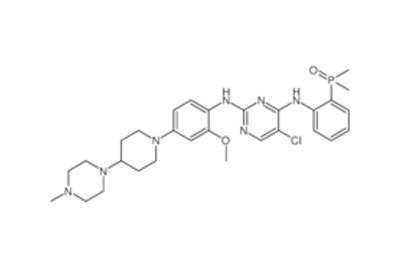
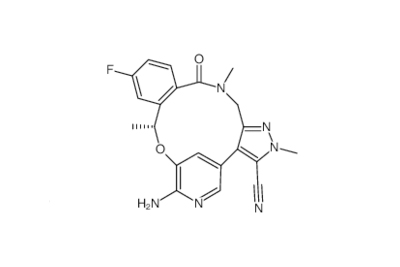
Brigatinib Intermediate

Brigatinib is a type of drug that is used to treat patients with non-small cell lung cancer (NSCLC). This drug belongs to a class of drugs called tyrosine kinase inhibitors, which work by blocking the activity of certain enzymes that are involved in the growth and spread of cancer cells. Brigatinib Intermediate has shown promising results in clinical trials and is considered a second-line treatment option for patients who have failed first-line therapy with crizotinib.

NSCLC is the most common type of lung cancer and accounts for approximately 85% of all lung cancer cases. The disease is typically diagnosed in advanced stages and can be difficult to treat, making the development of effective treatment options a priority for the medical community.

Brigatinib China works by targeting the ALK gene, which is often found to be mutated in patients with NSCLC. This mutation leads to the production of an abnormal protein that promotes the growth and spread of cancer cells. By blocking the activity of this protein, brigatinib can slow the growth and spread of cancer cells and improve patient outcomes.

One of the key benefits of brigatinib is its ability to penetrate the blood-brain barrier, making it an effective treatment option for patients with brain metastases. This is particularly important because brain metastases are a common complication of NSCLC and can be difficult to treat with other medications.

The most common side effects associated with brigatinib include fatigue, nausea, diarrhea, and headache. More serious side effects, such as low white blood cell count and increased risk of infections, have also been reported in some patients. However, these side effects are generally manageable with appropriate medical attention and close monitoring by a healthcare provider.

In conclusion, Brigatinib Intermediate is an important treatment option for patients with non-small cell lung cancer who have failed first-line therapy with crizotinib. The drug has shown promising results in clinical trials and has the potential to improve patient outcomes by targeting the ALK gene and blocking the activity of the abnormal protein produced by this gene. Although there are some potential side effects associated with brigatinib, these are generally manageable with close monitoring and appropriate medical attention.

Follow us on Twitter

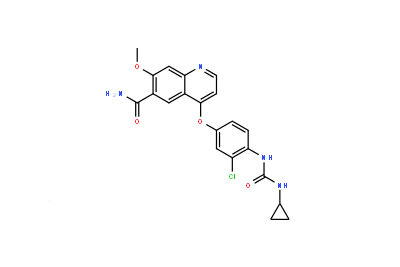
Lenvatinib Intermediate: What You Need to Know

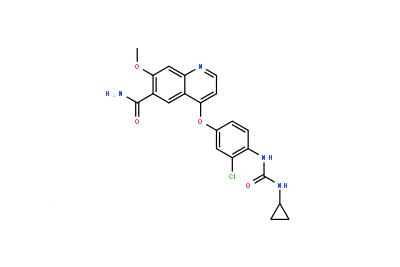
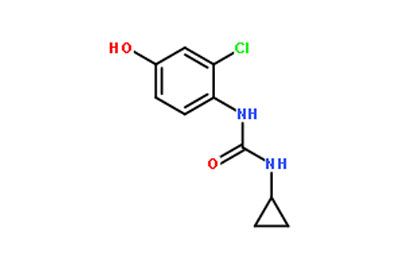
Lenvatinib Intermediate

Cancer is one of the leading causes of death globally and has affected millions of people worldwide. The search for a cure and a more effective cancer treatment has been a continuous process for years, and with the advancement of technology, breakthroughs are being made every day. One such breakthrough is Lenvatinib Intermediate.

Lenvatinib is a type of kinase inhibitor, a medication used in the treatment of cancer. It works by blocking the activity of specific proteins in cancer cells, which can slow down or stop the growth of these cells. Lenvatinib is approved for the treatment of several types of cancers, including thyroid cancer and endometrial cancer. This drug is considered a breakthrough because of its ability to target multiple pathways in cancer cells, making it more effective than traditional chemotherapy drugs.

Lenvatinib

Lenvatinib Intermediate works by blocking the activity of specific proteins that are involved in the growth and spread of cancer cells.

Lenvatinib intermediate is an intermediate stage in the manufacturing process of Lenvatinib. In this stage, the raw materials used to make the drug are converted into an intermediate product that is then processed further to create the final drug. The intermediate stage is critical in ensuring the quality and purity of the final product.

One of the challenges in the production of Lenvatinib intermediate is controlling the reaction conditions to ensure that the correct product is formed. This requires careful attention to detail and a high level of expertise in the field of pharmaceutical manufacturing. You can Buy Lenvatinib Intermediate online.

The quality of the Lenvatinib intermediate product is crucial, as it affects the final drug’s efficacy and safety. The intermediate stage is subject to strict quality control procedures to ensure that the product meets the required standards.

In conclusion, the Lenvatinib intermediate is a critical stage in the manufacturing process of Lenvatinib. The quality of the intermediate product directly affects the quality of the final drug, and strict quality control procedures are in place to ensure that the product meets the required standards. If you are taking Lenvatinib Intermediate or considering taking it, it is important to understand the role of the intermediate stage in the drug’s production and how it affects the final product.

Follow us on Twitter

Pharmaceutical API Manufacturing: The Heart of the Pharmaceutical Industry

API Supplier China

Pharmaceutical API (Active Pharmaceutical Ingredient) manufacturing is a critical aspect of the pharmaceutical industry, as it involves the production of the essential components of drugs. API manufacturing by API Manufacturer is the process of synthesizing, purifying, and producing the active ingredients used in medication, which are then combined with excipients to create the final drug product. In other words, API is the active ingredient that provides the intended therapeutic effect of the drug.

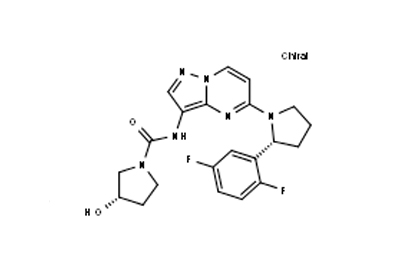
Larotrectinib

The role of API manufacturers is vital, as they provide the essential components for the creation of life-saving drugs. These companies are responsible for ensuring that the API they produce is of the highest quality, as well as being safe and effective for human consumption. The quality of the API can directly impact the safety and efficacy of the final drug product, which is why it’s so important for API manufacturers to adhere to strict regulations and standards.

The API manufacturing process is a complex and multi-step process that involves various stages such as research and development, synthesis, purification, testing, and quality control. The API manufacturer must ensure that each stage is carried out with precision, to guarantee the quality of the API. They must also adhere to strict regulatory guidelines set by governing bodies such as the FDA (Food and Drug Administration) to ensure the safety and efficacy of the API from API Manufacturer Company China.

API manufacturing is a highly regulated industry, with strict standards and guidelines in place to ensure the quality and safety of the API. GMP standards ensure that API manufacturing facilities are of the highest quality and that API production processes are consistent and reliable.

In conclusion, API manufacturing is a critical aspect of the pharmaceutical industry that plays a vital role in the production of life-saving drugs. API manufacturers must adhere to strict regulations and standards, and continuously improve their processes; to ensure the quality and safety of the API they produce. The pharmaceutical industry relies on API manufacturers to provide high-quality API from API Supplier China that is safe and effective for human consumption, making them an integral part of the healthcare industry.

Follow us on Twitter

Pharmaceutical Manufacturing Industry Develop Medicines

Intermediate Manufacturer

For the efficient manufacture of necessary medications, pharmaceutical manufacturing facilities go through a series of processing procedures such as design formulation, fabrication, withdrawal, dispensation, distillation, covering, liberation, and storage of chemical components. Manufacturing of pharmaceutical goods by the Intermediate Manufacturer is thus the fundamental component of pharmaceutical engineering.

The basic processing unit (PPU) and secondary processing unit are the two primary components that make up the whole pharmaceutical production process (SPU). PPU entails the creation of key medicinal components as well as research initiatives with the aid of knowledgeable and competent pharmaceutical engineers.

Intermediate Manufacturer China

SPU, on the other hand, entails several stages for the transformation of active pharmacological substances into effective medications. Therefore, we can say that the second unit of the production process, or SPU, is what allows for the full creation of medications that are ready for use in the treatment of terrible diseases.

The three major states of pharmaceutical compounds are solid, partly solid, and watery. Pharmaceuticals that are solid or semi-solid can be found in a variety of formats, including creams, capsules, ointments, and tablets from the Intermediate Supplier China. Aqueous medicines, on the other hand, are mostly offered in the form of suspensions, gels, solutions, and emulsions. Butane and chlorofluorocarbons, which are only for external usage, are the main ingredients for aerosols and inhalable substances.

Medications in the form of synthetic drugs, vaccines, hormones, glandular products, vitamins, pharmaceutical compounds, and antibiotics are among the goods produced by pharmaceutical manufacturing enterprises. These plants also create some of the medications that are derived from them. These factories also produce safety equipment and first aid supplies.

The entire process of making pharmaceuticals, from the development of intermediates to processing functional groups, esterification and coupling, cleaning, and purification, requires several processes. Aeration, granulation, tablet pressing, tablet printing, tablet filling, and tablet wrapping are all primary tasks of pharmaceutical production plants in addition to the methods already described.

Numerous Indian businesses are among the leading exporters of APIs to other industrialized nations worldwide. Some of these businesses are quite successful, and there is a huge demand for their goods on the global market. Their extensive knowledge, cutting-edge facilities, and upkeep of all quality standards are the fundamental drivers of this accomplishment. The Intermediate Manufacturer China is very reliable.

Follow us on Facebook

Everything You Need To Know About the API in Manufacturing

API Manufacturer

An active component of a particular drug is called an active pharmaceutical ingredient (API) from the API Manufacturer. As a medicinal application agent, an API is essential to the pharmaceutical production process. The APIs themselves and the inert excipients that transport the medication to a target system are the two main components of any pharmaceutical product.

APIs should not be confused with unadulterated, pure medicines. Instead, APIs are important ingredients that must be carefully processed into safe medication for clinical use. Continue reading to learn more about API manufacturing: all you need to know.

API Manufacturer

Specifications of API Production

A vast range of intricate chemical or biological processes is involved in the production of APIs. The creation of APIs from raw materials necessitates multi-step processes that make use of a range of cutting-edge processing techniques. The procedure entails choosing a compound structure, manufacturing a large amount of the chosen API, and examining the complex for quality assurance and control.

The size and strength of an API in a certain drug are frequently determined by API Manufacturer Company China using predetermined guidelines. However, due to testing procedures and required potencies, such criteria differ from brand to brand. No matter the range of strength, producing high-quality APIs needs a lot of knowledge, efficiency, and focus.

Everything regarding API production that is necessary to know relates to strict quality standards. Poor or damaged APIs are useless in medicines since they directly correspond with the efficacy of intended outcomes and the safety of the medication. To comply with FDA rules, staff must appropriately carry out each stage of the procedure in line with Good Manufacturing Practices (GMP) specifications.

The main component is the API. Raw materials with a certain strength and chemical concentration are used to make APIs.

Other compounds that aid in the delivery of the medication to your system are included in the excipient.

The physiologically active component of a medication product (tablet, pill, cream, or injectable) that delivers the desired effects is known as the active pharmaceutical ingredient (API). By providing more cutting-edge items, APIs from API Supplier China may be able to build a more resilient healthcare system.

Follow us on Twitter

The Intermediates and what They Do

Intermediate Manufacturer

A molecule that is created from two or more reactants and undergoes further reactions to produce products is known as an intermediate from an Intermediate Manufacturer.

The majority of chemical reactions take more than one step, and each step, except the last one, when the end products are created, produces an intermediate. Since they are seldom isolated, they frequently interact with other compounds during the reaction to create the final products.

The foundation for final items is provided by intermediates or semi-finished products. The majority of end items require intermediates, which are used as a component in the creation of other commodities.

There are several intermediates used in the manufacture of every item you consume. A finished good can also serve as an intermediate for another good; intermediates don’t always have to be semi-finished goods. Every business depends on intermediate goods from Intermediate Supplier China, which are also a key source of raw materials for manufacturing.

Although they have comparable lifetimes, intermediates may be distinguished from molecular vibrations, which are essentially transitions. Because they are extremely reactive and have a short lifetime, intermediates are often present in very small amounts in reaction mixtures. We must, of course, consider the reaction in which the intermediates are present while defining them. A species that is deemed unstable in one reaction may be stable in another.

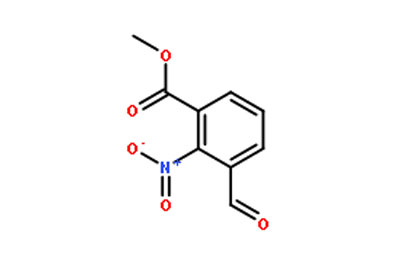
Methyl 3-formyl-2-nitrobenzoate

When compared to the other compounds involved in the processes, intermediates have a brief lifespan. Due to their great reactivity, they frequently take the form of free radicals or unstable ions and may need to be created at extremely high temperatures or pressures. In certain reactions, many stages are carried out in a single batch. Because of their strong reactivity with other compounds in the reaction mixture, it is sometimes unnecessary to isolate an intermediate for subsequent reactions, and other times it is impossible. Since intermediates have a very limited lifespan, it is difficult to distinguish between them.

In the chemical business, an “intermediate” from Intermediate Manufacturer China is often a reaction product that serves as a precursor chemical for another industry.

Follow us on Facebook

Get Into the Story of Intermediates

Lenvatinib Intermediate

Our daily lives frequently involve intermediates like Lenvatinib Intermediate and additives. For instance, vitamins, dispersion colors, bleaches, and emulsifiers are all considered intermediates and additives. Today’s post concentrates on defining intermediates and outlining how they vary from API.

Organic intermediate is another name for intermediate. Make dyes, insecticides, pharmaceuticals, resins, additives, plasticizers, and other intermediate goods using coal tar or petroleum products as basic ingredients. They are also known as dye intermediates since they were once employed to manufacture dyes. It is created by sulfonation, alkali fusion, nitration, and reduction of ring compounds such as benzene, naphthalene, and anthracene.

Dehydrogenation, polymerization, halogenation, hydrolysis, and other processes are used to create it from acyclic molecules such as methane, acetylene, propylene, butane, and butane. For instance, butane or butane is converted by dehydrogenation to butadiene, which may then be chemically processed into synthetic fiber, rubber, and other materials. An intermediary is a butadiene.

The intermediate product demonstrates the usage of coal tar or petroleum product as a raw material to synthesize fragrance, color, resin, medications, plasticizers, and rubber accelerators to wait for the chemical product at the outset. You must Buy Lenvatinib Intermediate online.

Semi-finished goods are referred to as intermediates since they are used in the creation of specific goods. For instance, to save expenses, a product might be made from intermediates. Numerous specialized chemicals are needed for the manufacturing of drugs, the majority of which were once created by the pharmaceutical industry. But as the social stratification of labor has become more pronounced and industrial technology has advanced, the pharmaceutical sector has given some of its pharmaceutical intermediates over to chemical companies to manufacture. Pharmaceutical intermediates are fine chemical products, and their manufacturing has grown to constitute a significant sector of the global chemical sector.

A material that emerges during the production of an API but has to go through additional molecular processing to become an API. The intermediate might or might not be cut apart. In cell biology, the word intermediate like Lenvatinib Intermediate describes the region where, in the late stage of cell division, the cytoplasm rises and completely covers the equatorial face in the center of the slowly disintegrating spindle at the equatorial face.

Follow us on Twitter